Hyper-personalised stress monitoring in healthcare – how do we present this to healthcare professionals and patients’ loved ones?
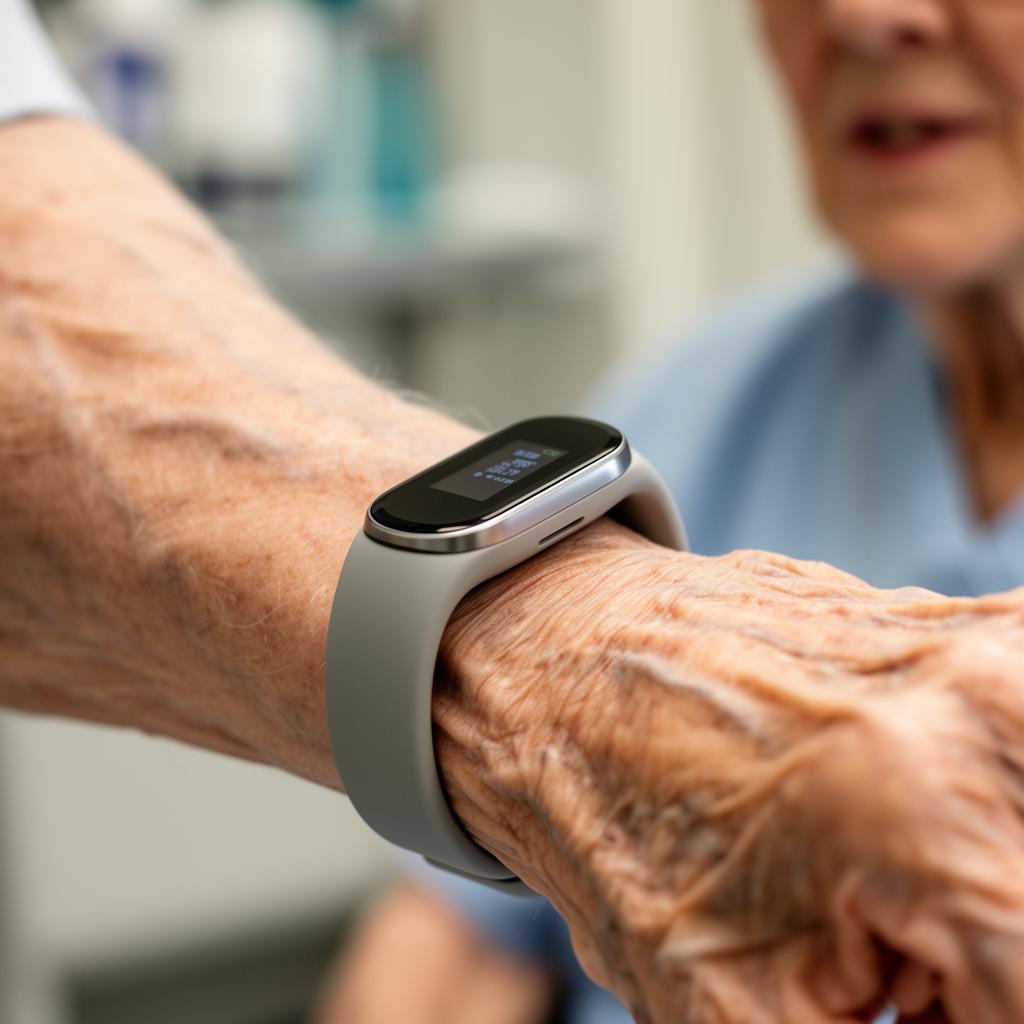
As part of the Sensors2Care project , we at Rozo Lab are conducting research into the adoption of stress monitoring in healthcare. This focus on adoption is what interests me most. We’re looking at the technology, the legal aspects, implementation challenges, but above all at the question: ‘How do we make this innovation meaningful for patients, families and healthcare professionals?’ How do we ensure that the right data is presented in the right way and at the right time, and how can the person receiving it then use it to do something meaningful for the patient?
One of the biggest challenges, I expect, will be the need for hyper-personalised visualisations and analyses. Every patient, healthcare provider and relative needs a slightly different solution. Only then does it become meaningful for that specific person, situation and context, and that is the most important factor for successful adoption.
An anecdote from the previous research project. A gentleman with dementia lives in a secure ward. He usually sleeps peacefully, but some nights he suddenly wakes up in a start and becomes disoriented and aggressive.
It eventually transpired that some night-shift nurses had their keys hanging from their belts, and the jingling of the keys reminded the gentleman of his wife coming home. This startled him awake, and he subsequently became confused as his wife did not come into his room. This stress led to restlessness during the night, and did not occur with nurses who kept their keys in their trouser pockets.
How can ‘smart technology’, combined with ‘human intelligence’, help to identify and understand these kinds of stressful moments? What do you measure, but above all, how do you present this to family members and carers? What kind of interaction is then required, how do you implement it, and how do you ensure that this (if necessary) can form part of daily care?
We’ll be tackling these kinds of questions as we work on this project over the coming years. I already know this: we’re going to learn a great deal here, and we’ll often find ourselves thinking, ‘If only we’d thought of that sooner’. It’s fun, exciting and very meaningful!